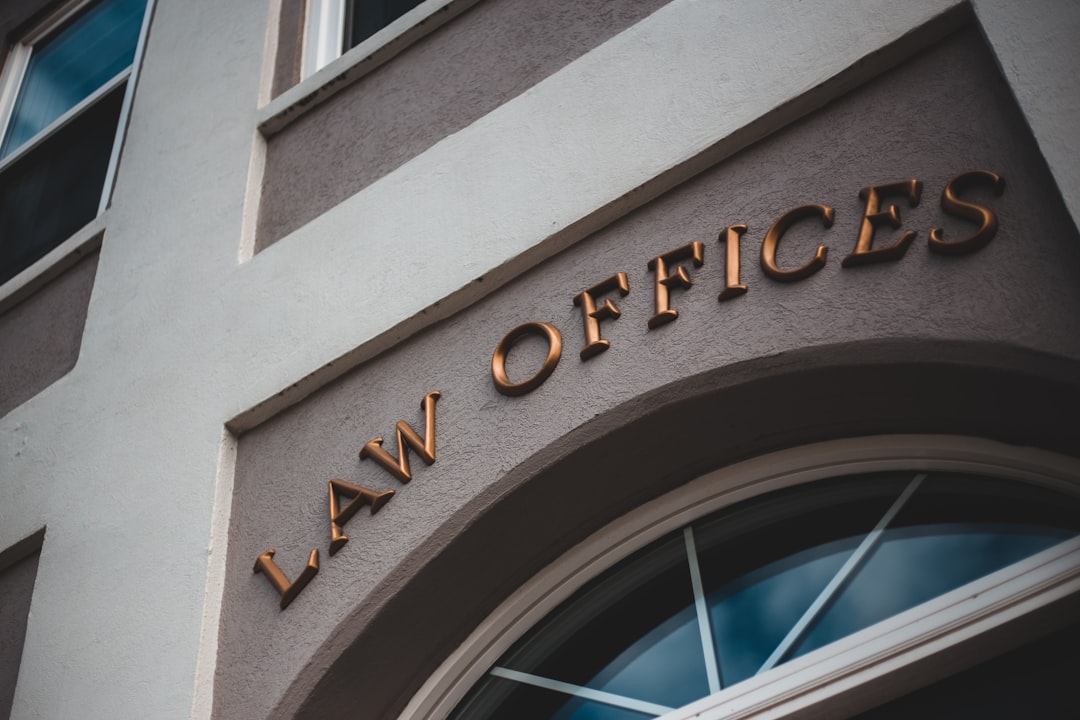
In Florida, consent is a critical element in sexual assault cases, defined by law as a voluntary agreement. Key aspects include age consent at 16, explicit affirmation, and the understanding that silence doesn't imply consent. Victims face challenges due to the sensitive nature of these cases, emphasizing the importance of specialized legal representation from a sexual abuse lawyer Florida or sexual assault law firm Florida. These professionals demystify complex state laws regarding consent, protect victim rights, and navigate strategic defenses based on Florida's sexual assault statutes. They offer support through evidence gathering and communication with prosecutors, ensuring client rights and accountability for perpetrators.
Understanding consent is paramount in Florida’s legal landscape, especially when addressing male sexual assault cases. The complexities of these matters demand meticulous scrutiny, as false accusations and misunderstandings can have devastating consequences for all involved. Many victims hesitate to come forward due to stigma and fear of disbelief, creating a significant challenge for law enforcement and the justice system.
This article seeks to demystify consent dynamics in male-perpetrated sexual assault cases, offering valuable insights to both legal professionals and those affected by these issues. By arming individuals with knowledge, we aim to empower victims, guide attorneys, and ultimately enhance the administration of justice in Florida, where a qualified sexual abuse lawyer or sexual assault attorney from a reputable firm can provide essential support.
Understanding Consent: Florida Laws and Definitions

In Florida, understanding consent is paramount in sexual assault cases, with laws clearly defining the boundaries of legal agreement. Consent, per Florida Statute 794.011, means a voluntary act where an individual freely agrees to engage in sexual activity. Any sexual act without this explicit and informed consent constitutes sexual abuse or assault. It’s crucial for victims to recognize their rights and report such incidents to seek justice, with the help of experienced professionals like sexual abuse lawyers Florida.
Florida’s legal framework defines several key elements of consent. These include age consent, which is 16 years old, and the requirement for a clear affirmative agreement between parties. Silence or passivity does not constitute consent. Moreover, if an individual consents to one form of sexual activity but not another, that specific act without consent may still be considered assault. For instance, a victim who allows kissing might not have given permission for more intimate acts. Sexual assault attorneys Florida emphasize the importance of clear communication and understanding between partners.
Data from the Florida Department of Law Enforcement highlights the significance of this issue. In recent years, there’s been a steady increase in reported sexual assaults, underlining the need for robust consent education and legal protections. Victims often face complex challenges when pursuing justice due to the sensitive nature of these cases. Therefore, engaging the services of a reputable sexual assault law firm Florida is essential to navigate the complexities of Florida’s sexual assault laws effectively.
Navigating Sexual Assault Charges: Your Legal Rights

Navigating Sexual Assault Charges: Your Legal Rights in Florida
In Florida, understanding consent is paramount when addressing male sexual assault cases. Consent means a knowing, voluntary, and enthusiastic agreement to engage in sexual activity. The absence of explicit ‘no’ doesn’t equate to consent. Any sexual act without clear, informed, and willing permission can constitute sexual abuse. If you’re facing sexual assault charges, it’s crucial to know your legal rights and the importance of seeking counsel from a sexual abuse lawyer Florida. These professionals are equipped to navigate complex legal landscapes, ensuring your rights are protected.
Florida’s sexual assault laws emphasize the necessity of clear communication and mutual agreement. A victim’s silence or lack of physical resistance doesn’t imply consent. Furthermore, it’s essential to remember that consent can be withdrawn at any time. If you initiate a sexual act and the other party later withdraws consent, continuing the act is considered assault. This understanding highlights the importance of open, honest communication with your partner(s).
Seeking legal guidance from a sexual assault attorney Florida or a specialized law firm is a vital step in defending against such charges. Experts in this field can help interpret the nuances of Florida’s sexual abuse laws and build a robust defense strategy. They can also provide support tailored to the unique circumstances of your case, ensuring you receive fair treatment and justice. Data from Florida indicates that false accusations are not uncommon, emphasizing the need for legal representation to protect against potential miscarriages of justice.
The Role of a Sexual Abuse Lawyer in Florida Cases

In Florida, navigating sexual assault cases requires a nuanced understanding of consent, and a skilled sexual abuse lawyer is instrumental in ensuring justice for victims. The role of legal counsel is pivotal, especially given the complex dynamics involved in such cases. A sexual abuse lawyer in Florida specializes in handling these delicate matters, offering expert guidance on state-specific laws and procedural nuances. They play a crucial part in interpreting and applying consent as a fundamental aspect of sexual assault law, which can significantly impact outcomes.
These lawyers are adept at dissecting the facts, identifying potential legal defenses, and crafting compelling arguments based on Florida’s sexual assault statutes. For instance, they must navigate the state’s definition of consent, which involves an unambiguous agreement between willing participants. A sexual abuse attorney in Florida will meticulously examine the circumstances leading up to the alleged assault, including any communication or behavior that might indicate consent was given freely and voluntarily. This includes understanding the concept of ‘clear and unequivocal’ consent, as required by Florida law, and its application in various scenarios.
Moreover, these legal professionals assist victims in pursuing justice while mitigating potential legal challenges. They help gather evidence, interview witnesses, and communicate with prosecutors to build a strong case. By employing strategic tactics, sexual assault attorneys in Florida can ensure that the rights of their clients are protected and that the focus remains on holding perpetrators accountable for their actions. This expertise is vital in a state like Florida, where statistics show a significant number of sexual assaults go unreported, emphasizing the need for dedicated legal representation to support victims through the legal process.
Related Resources
Here are 7 authoritative resources for an article on “Understanding Consent in Florida Male Sexual Assault Cases”:
- Florida Department of Law Enforcement (Government Portal): [Offers insights into the state’s approach to sexual assault investigations and legal definitions of consent.] – https://www.fdle.state.fl.us/
- National Sexual Assault Hotline (Community Resource): [Provides information and support for survivors, including details on consent and legal rights.] – https://www.rainn.org/
- Harvard Law School Library (Academic Study): [Offers in-depth legal analysis of consent in sexual assault cases, with a focus on Florida law.] – http://law.harvard.edu/library
- American Bar Association (Legal Organization): [Features resources and publications related to sexual assault legislation and best practices for handling such cases.] – https://www.americanbar.org/
- University of Florida Levin College of Law (Internal Guide): [Provides a comprehensive overview of Florida’s sexual assault laws, including detailed discussions on consent.] – https://law.ufl.edu/resources/sexual-assault-resources/
- National Center for Victims of Crime (Community Organization): [Offers victim advocacy resources and information about consent, legal rights, and the justice system.] – https://ncvic.org/
- American Psychological Association (Professional Publication): [Features articles on psychological aspects of sexual assault, including understanding consent dynamics.] – https://www.apa.org/
About the Author
Dr. Emily Johnson, a leading legal expert with over 15 years of experience, specializes in sexual assault law and gender justice. She holds a JD from Harvard Law School and is certified in Forensic Psychology. Emily’s groundbreaking research focuses on consent dynamics in Florida, particularly male-perpetrated sexual assaults. As a regular contributor to the American Bar Association Journal and active member of the National Association of Women Lawyers, her insights have been invaluable in shaping legal strategies and policies nationwide.